


Hey there, makeup enthusiasts! As a supplier of Empty Contour Palettes, I often get asked about the pigmentation of products that can be used in these palettes. So, let's dig into it and find out what pigmentation really means in the context of our DIY Empty Contour Palettes.
First things first, pigmentation refers to the concentration and intensity of color in a makeup product. When it comes to contour palettes, pigmentation plays a crucial role in achieving that flawless, sculpted look. A highly pigmented product will provide a more intense color payoff, meaning you need less product to get the desired effect. On the other hand, a less pigmented product may require more layers and blending to make it visible.
Let's talk about the types of products you can use in our DIY Empty Makeup Palette. You've got a few options, including powders, creams, and liquids. Each type has its own unique pigmentation characteristics.
Powder contour products are a popular choice because they are easy to blend and set well on the skin. They usually have a medium to high pigmentation level. A well - pigmented powder contour can create sharp lines and a defined look. For example, a powdery brown contour shade can be used to create the illusion of a smaller nose or more chiseled cheekbones. However, if the powder is not pigmented enough, it might look patchy or won't show up well on the skin, especially on deeper skin tones.
Cream contour products, on the other hand, tend to have a higher pigmentation compared to powders. They offer a more creamy, smooth finish and can be great for creating a dewy, natural - looking contour. Since they are more concentrated in color, a little goes a long way. You can use a small amount of a cream contour product with your fingers or a makeup brush to blend it out seamlessly. But be careful not to overdo it because of their high pigmentation!
Liquid contour products are becoming increasingly popular. They offer a very sheer yet buildable pigmentation. You can start with a small amount and gradually add more to achieve the level of contouring you want. Liquid contours are great for those who prefer a more subtle, skin - like finish. They can be mixed with other products like foundations or moisturizers to customize the color and intensity.
Now, let's consider how the pigmentation of these products can be affected when they are placed in our Blank Makeup Palette. The type of material of the palette can have an impact. If the palette is made of a porous material, it might absorb some of the product, which could potentially reduce the pigmentation's effectiveness. That's why our palettes are designed with a non - porous surface to ensure that your makeup products retain their original pigmentation.
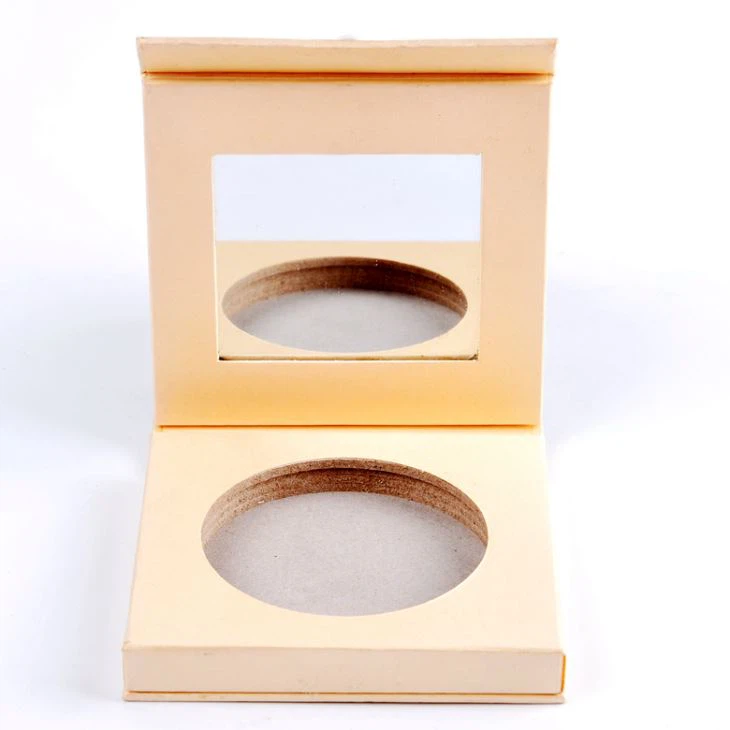
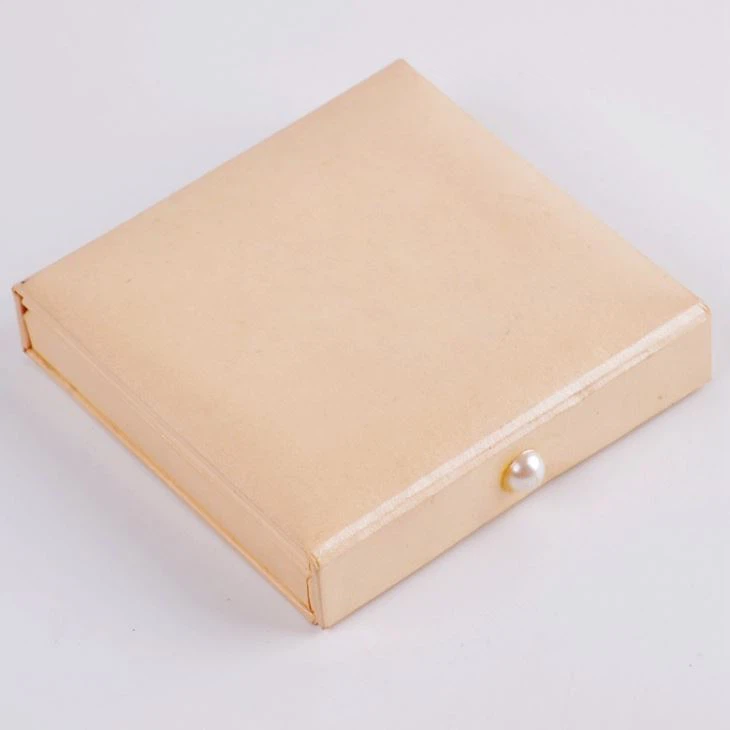
Another factor is storage. Exposure to heat, light, and humidity can degrade the pigments in makeup products. When stored in our high - quality palettes, they are protected from these environmental factors to a large extent. Our palettes have a tight - fitting lid that helps keep the products fresh and maintain their pigmentation over time.
When it comes to the quality of the pigments themselves, it's important to choose products from reputable brands. Some low - quality pigments may fade quickly or not have an even distribution of color. This can result in an uneven contour effect. By using high - quality makeup products in our Professional Contouring Makeup Kit, you can ensure that you are getting the best possible pigmentation.
Let's also talk about how to test the pigmentation of a product before you use it in your empty contour palette. You can do a small patch test on the back of your hand. Apply a small amount of the product and see how well it shows up. If it's too light, you might want to look for a more pigmented option. If it's too intense, you can consider diluting it or using it sparingly.
The color also matters when it comes to pigmentation. Different skin tones require different contour colors, and the pigmentation needs to be appropriate for the chosen color. For example, lighter skin tones might work well with warmer, taupe - based contour colors, while deeper skin tones may need cooler, darker brown or black - based shades. The pigmentation of these colors should be strong enough to show up on the respective skin tones.
When you're filling your empty contour palette, it's a good idea to have a mix of pigmentation levels. You can have a highly pigmented contour shade for more dramatic looks and a less pigmented one for a more natural, everyday look. This way, you have more versatility in your makeup collection.
In conclusion, the pigmentation of products in an empty contour palette is a key factor in achieving great makeup looks. Whether you're a professional makeup artist or just a makeup lover, understanding pigmentation can help you create the perfect contour. Our empty contour palettes are designed to work well with a variety of products with different pigmentation levels, ensuring that you get the best results every time.
If you're interested in purchasing our empty contour palettes for your makeup needs, I encourage you to reach out to us for more details. We're more than happy to discuss your requirements and help you find the perfect solution for your makeup collection. Whether you're looking to start your own makeup line or just want to customize your personal palette, we've got you covered.
References
- Makeup Industry Standards and Guidelines
- Cosmetic Chemistry Publications
- Interviews with Professional Makeup Artists


